• Home
  • Resources
  • Free Downloads
  • Core Collections
    • Calm Collection
    • Community Collection
    • Character Collection
  • Blog
  • Meet Katie
  • More...
    • Quote Colouring Pages
    • FAQ
    • Clip Art TOU
    • Podcast Episodes
  Teachers Resource Force

Teachers Resource Force
​The Blog

How to teach students about the dangers of AI and an Artificial Intelligence lesson for middle school students

15/5/2024

0 Comments

 
In today's tech-filled world, artificial intelligence (AI) is really beginning to bloom at a rapid pace making our lives easier in many respects, but it's not all sunshine and rainbows. As teachers, it's our job to help students understand the ins and outs of AI – the good, the bad, and the kinda scary. This article is all about giving you practical tips for teaching your students about the risks that comes with AI, like dangers and ethical dilemmas. Plus, I will share with you a ready made AI lesson which you can deliver with ease to help you teach your students on this subject! So, let's jump in and make sure our students are ready to handle the next generation of the technological industrial revolution, responsibly.
How to teach students about the dangers of AI and an Artificial Intelligence lesson for middle school students | Teachers Resource Force

HOW STUDENTS CURRENTLY USE AI

Today our students are immersed in a rapidly changing world shaped by AI technology. For example

  • the use of predictive text on their smartphones
  • ​personalised recommendations on platforms
  • voice assistants like Siri and Alexa
  • apps which can write answers to any questions
  • automatically draw pictures
  • create websites
  • create videos
  • write coding
  • and so much more...

    And this is just the beginning! It is impossible to escape AI and the way the world is rapidly changing; things will never be the same again, so it is our responsibility to ensure we teach our students how to use it safely, ethically and responsibly, helping them become aware of how it will most certainly change the landscape of their future lives and careers.
How to teach students about the dangers of AI and an Artificial Intelligence lesson for middle school students | Teachers Resource Force

IS AI GOOD OR BAD FOR STUDENTS?

It's a tough one. On one hand, AI offers many benefits to students regarding their education, for example personalised learning experiences, increased productivity, enhanced engagement, improved academic outcomes, and extra support for diverse learning needs. However, there are also concerns about the ethical implications and potential drawbacks of AI in education. For example, it could infringe on student privacy, encourage laziness, negatively impact critical thinking and problem solving skills and affect their future career choices. Ultimately, whether AI is good or bad for students depends on how it is implemented, the ethical considerations taken into account, the extent to which it is used to support them without hindering them, how well students are prepared for the consequences and their future careers and lives. 
How to teach students about the dangers of AI and an Artificial Intelligence lesson for middle school students | Teachers Resource Force

HOW TO TALK TO STUDENTS ABOUT AI

The best way to talk to students about AI is through a combination of critical thinking discussions, and real-world examples. Encouraging students to ask questions, engage in discussions, and analyse case studies will help develop their critical thinking skills and encourage them to consider the ethical implications of AI technology. For example, you can discuss the possible consequences of the following real world AI examples:
​
  • Facial recognition technology 
  • Predictive policing systems
  • AI-powered medical diagnosis tools
  • Personalized pricing algorithms
  • AI-driven content creation tools
  • AI-powered surveillance systems
  • Autonomous vehicles
How to teach students about the dangers of AI and an Artificial Intelligence lesson for middle school students | Teachers Resource Force
Providing relevant and relatable examples of AI applications in everyday life, helps students see the relevance of AI to their own experiences and also plan for ther future careers, many of which might look drastically different by the time they are ready to enter the workforce; they need to be prepared for it.

HOW TO TEACH STUDENTS TO USE AI ETHICALLY

Teaching students to use AI ethically and safely is crucial for preparing them to navigate the digital world responsibly. They should consider issues such as what is likely to happen if they rely on using AI to solve problems instead of thinking for themselves, and what kind of job are they likely to have in the future if AI is automating most things. This will help them learn to think critically about the consequences of their actions when using AI. 
Picture
In order to consider ethics and safety, we need to teach students the following:

  1. Values: Teach students the importance of values like fairness, respect, and honesty when using AI technologies.
      
  2. Think Before You Click: Encourage students to pause and consider the potential impact of their actions when interacting with AI systems online.
      
  3. Question the Results: Train students to question and verify information generated by AI to ensure accuracy and avoid spreading misinformation.
      
  4. Respect Privacy: Emphasise the importance of respecting privacy rights and protecting personal data when using AI-powered devices and apps.

  5. Seek Help When Unsure: Encourage students to seek guidance from teachers or trusted adults when they encounter ethical dilemmas or safety concerns related to AI technology.

AI LESSON FOR MIDDLE AND HIGH SCHOOL STUDENTS

If you are looking for a ready to go lesson for you to use in your classroom that covers all the above and more, then look no further! This Life Skills Education unit on Artificial Intelligence and Virtual Reality is designed to equip students with the knowledge and skills they need to navigate the rapidly evolving digital landscape. As our world becomes increasingly influenced by AI technology, it's essential for students to understand its impact on their lives, both now and in the future. This resource explores the applications of AI in various fields, from education to employment, and encourages students to consider the ethical implications and potential consequences of its widespread adoption. By examining historical examples and discussing strategies for futureproofing their careers, students will gain insight into how they can thrive in an AI-driven world. Through engaging discussions, interactive activities, and supplementary materials, this lesson empowers students to critically evaluate the role of AI and VR in shaping their futures and humanity as a whole.
Picture
Picture
Resource includes:
• 25 slides digital resource PowerPoint
• 4 printable graphic organizer worksheets
• 24 discussion cards
​
Students will learn:
• What AI is and what it can be used for
• The pros and cons of AI in the present and future
• How AI is affecting their ability to think for themselves
• The effects AI will likely have on their future and careers
• How students can prepare for an AI world and futureproof their careers
• The effects of AI companions on mankind
• The effects of Virtual Reality on mankind
• …and more!
Picture
DOWNLOAD FROM TPT
DOWNLOAD FROM TRF

CONCLUSION

I hope you find this resource helpful in making it easy to deliver engaging lessons on AI and its effects. As teachers, it's crucial that we prepare our students for the future by providing them with the knowledge and skills necessary to navigate the complexities of AI, as well as the unknown future that will unfold as AI develops. Download the AI Lesson for middle and high school students today and empower your students to thrive in an AI-powered world!
0 Comments

Spreading Kindness: 5 Teacher Tips for using Colouring Compliment Notes on Random Acts of Kindness Day

15/1/2024

0 Comments

 
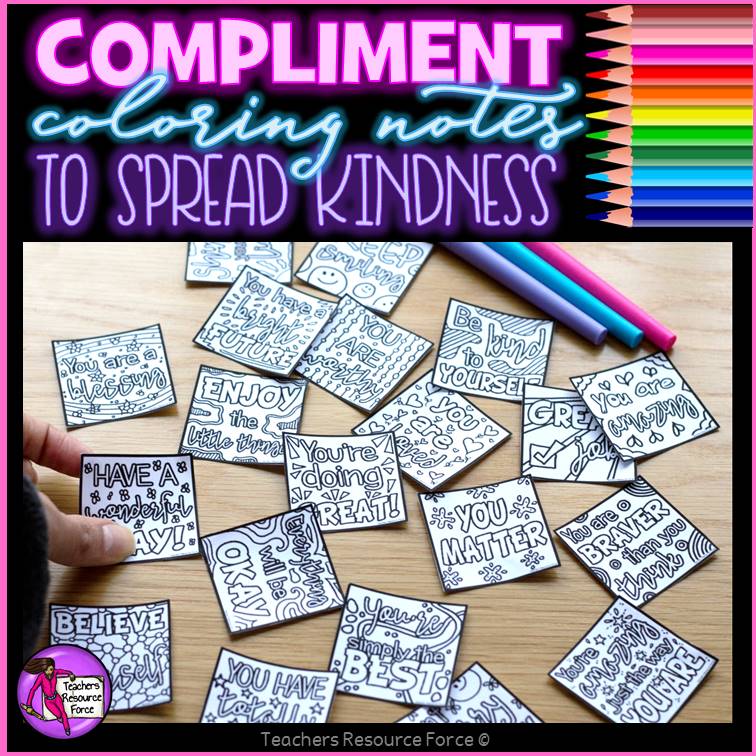
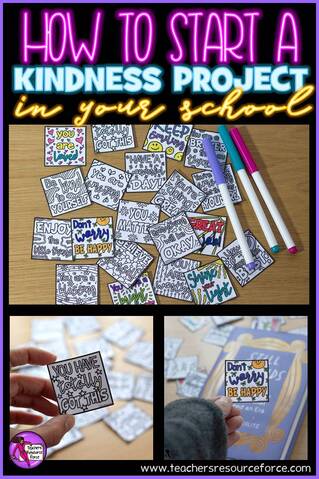
As February rolls in, let's brighten up our school halls with an idea for Random Acts of Kindness Day on February 17th. Imagine colourful notes carrying warm messages spread around your classroom and hallways, creating a positive vibe. In this blog post, you will find a simple yet impactful way to celebrate kindness in your classroom and school community. Discover how exchanging colourful compliment notes can bring joy and connection to your school community. Get ready to simplify kindness and add a splash of colour this February!
Spreading Kindness: 5 Teacher Tips for using Colouring Compliment Notes on Random Acts of Kindness Day

Why take part in Acts of Kindness Day?

Encouraging and demonstrating acts of kindness within a school community can have profound and far-reaching benefits, fostering an environment that not only supports academic growth but also nurtures the social and emotional well-being of students and staff. The ripple effect of kindness extends beyond individual interactions, creating a positive culture that permeates throughout the entire school community.

One significant benefit is the enhancement of overall well-being. Acts of kindness generate a sense of connection and belonging, helping students and staff feel valued and supported. When kindness becomes a norm, it contributes to a positive atmosphere where individuals feel comfortable expressing themselves, seeking help, and forming genuine connections with their peers and educators. This, in turn, creates a more emotionally resilient and compassionate community.

Moreover, a culture of kindness contributes to a safer and more inclusive school environment. Acts of kindness often break down social barriers and reduce instances of bullying or exclusion. Students who feel a sense of belonging are more likely to actively engage in their learning environment, leading to improved academic performance and a higher overall satisfaction with the school experience.

Demonstrating and encouraging kindness also instills important life skills in students. They learn the value of empathy, cooperation, and understanding, which are essential not only for their academic success but also for their future roles as responsible and compassionate citizens. The ability to work collaboratively and to consider the perspectives of others are skills that extend well beyond the classroom, preparing students for success in a diverse and interconnected world.

Additionally, a kind and supportive school community positively impacts the mental health of its members. Acts of kindness release neurotransmitters like serotonin and oxytocin, contributing to feelings of happiness and reducing stress levels. By fostering an atmosphere where kindness is not only encouraged but celebrated, schools play a vital role in promoting the mental and emotional well-being of students and staff alike.

The benefits of encouraging and demonstrating acts of kindness in a school community are extensive and transformative. From fostering a positive atmosphere to enhancing overall well-being and instilling crucial life skills, kindness becomes a powerful force that shapes not just academic success but the character of individuals and the collective spirit of the entire school community.
Spreading Kindness: 5 Teacher Tips for using Colouring Compliment Notes on Random Acts of Kindness Day

Tips for using colouring notes as acts of kindness

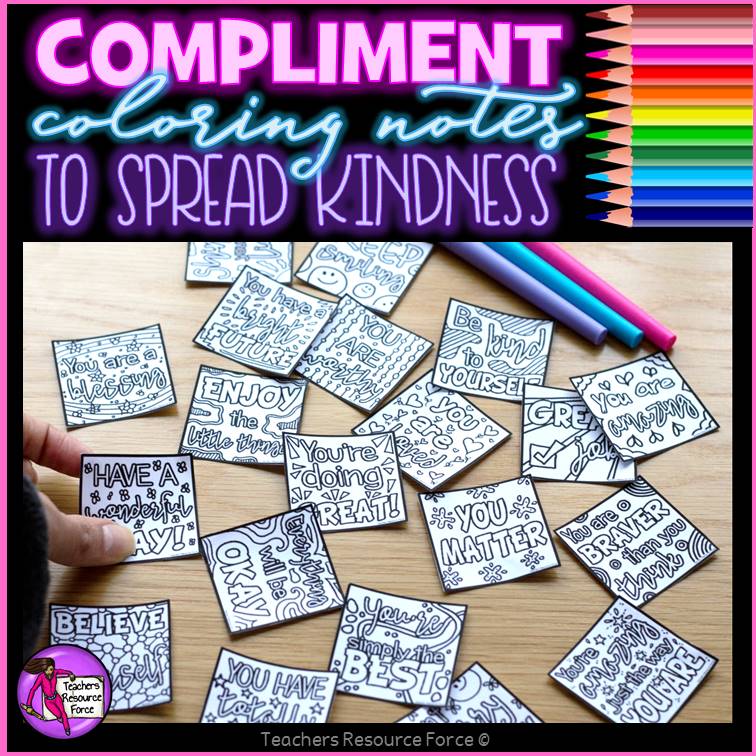
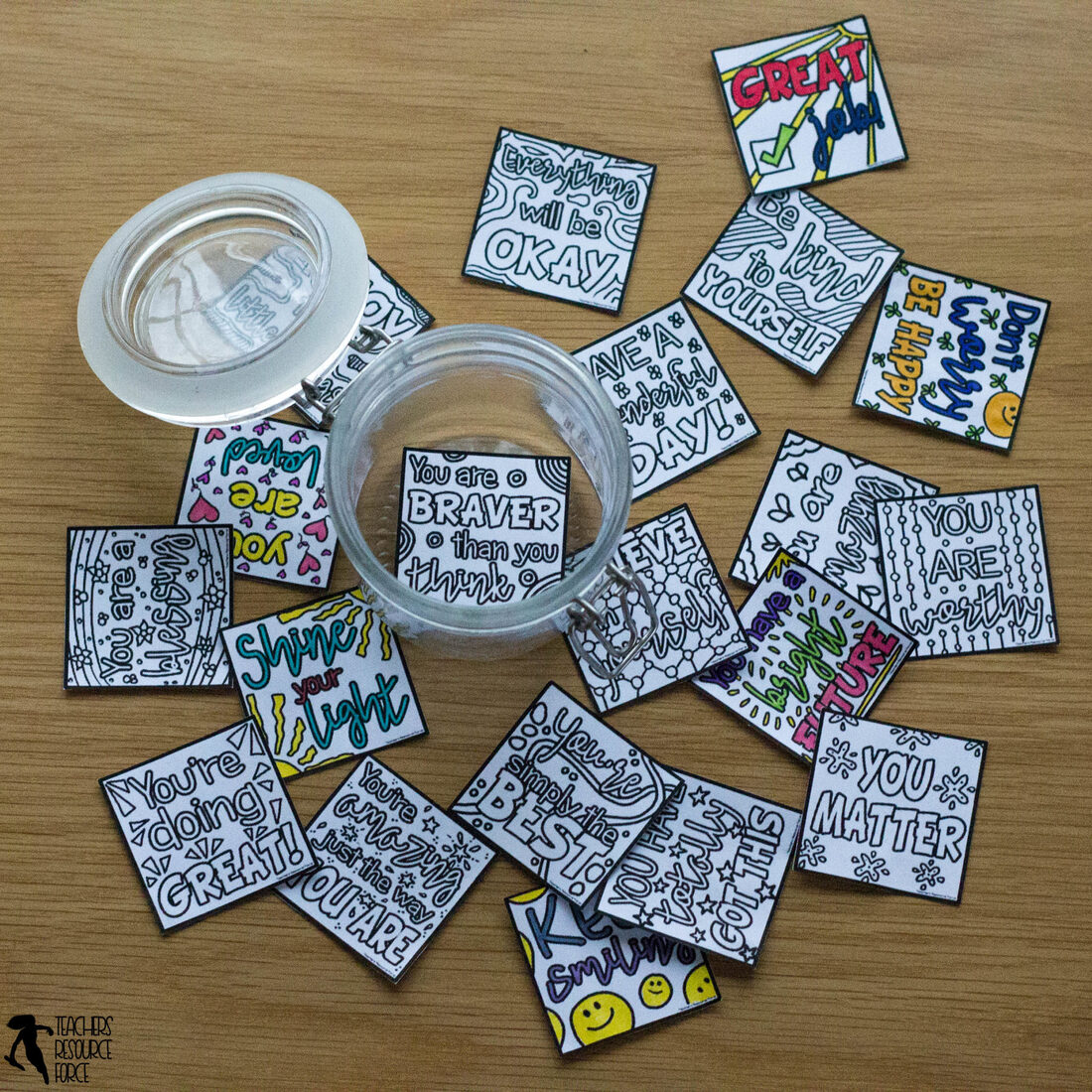
As Random Acts of Kindness Day approaches on February 17th, a delightful and creative way to infuse a burst of positivity into your school community, is through colouring compliment notes. These simple yet impactful notes,  have the potential to spark joy and connection among students and teachers alike.

Here are five tips on how to leverage the power of colouring compliment notes to make Random Acts of Kindness Day truly special. These practical strategies will not only spread kindness, but also add a touch of creativity to your celebrations. Get ready to bring smiles and warmth to your school community with these easy and enjoyable tips!
1. Colouring Note Station:
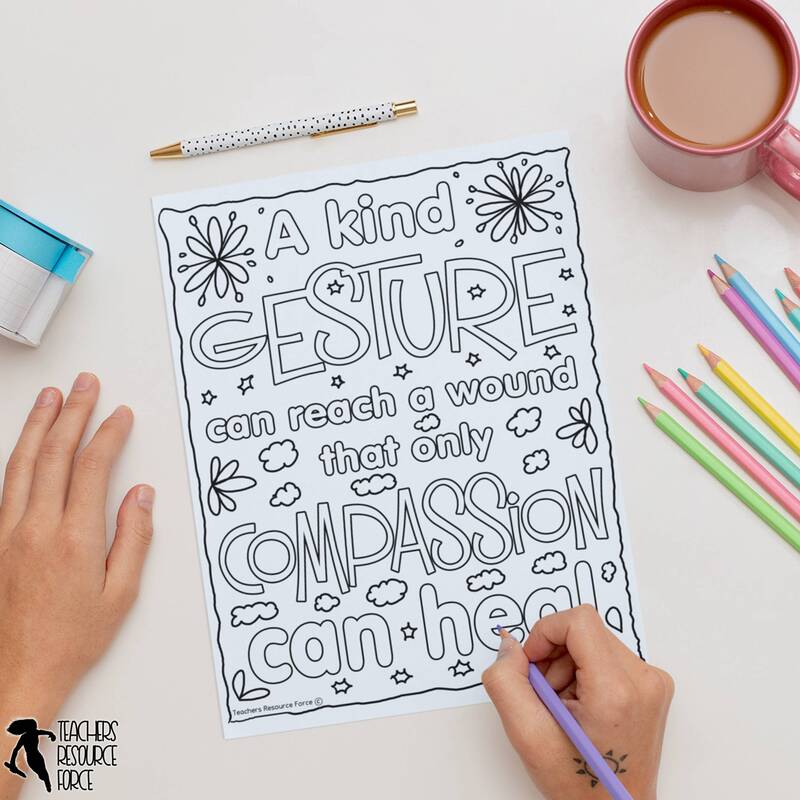
Set up a designated station in your classroom with pencils, pens and a range of colouring compliment notes. Encourage students to colour these notes in during downtime or as a part of a class activity. Make it easily accessible, turning it into a go-to spot for spreading kindness.

2. Kindness Note Exchange:
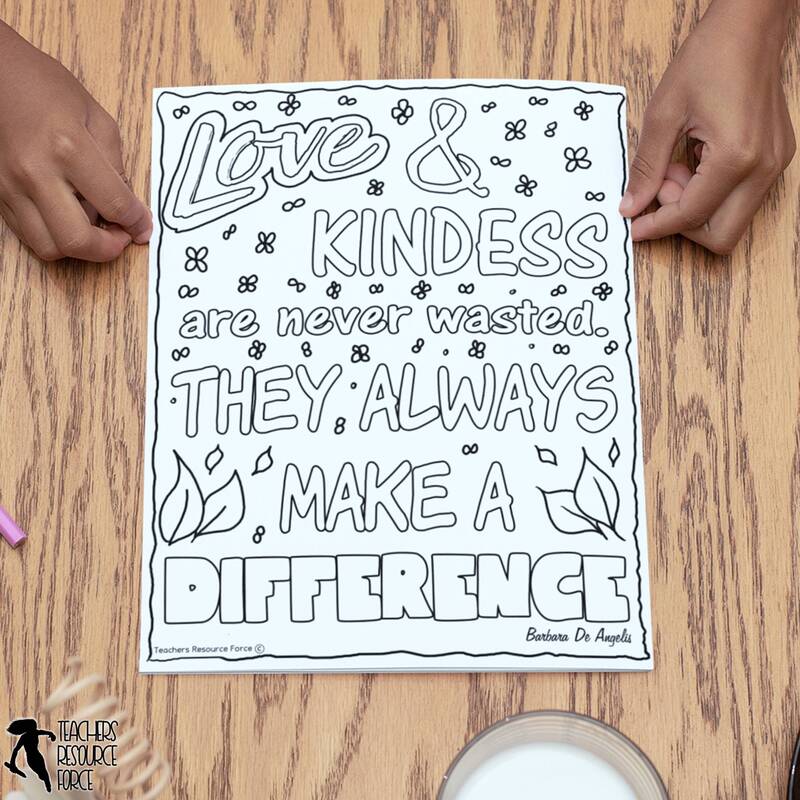
Initiate a kindness note exchange within the class. Each student can draw a classmate's name and colour in a compliment note with uplifting messages or compliments. This not only encourages creativity but also ensures that every student receives a special, personalized note to treasure.

3. Themed Colouring Session:
Dedicate a short period during class for a themed coloring session related to kindness. Provide coloring sheets or templates with positive messages, allowing students to focus on the act of coloring while promoting a sense of unity and goodwill.

4. Random Acts of Kindness Wall:
Create a "Random Acts of Kindness" wall in your classroom. Encourage students to contribute by pinning up their colorful notes. This visual display not only showcases the collective effort but also serves as a constant reminder of the positive impact of small acts of kindness.

5. Integration with Lesson Plans:
Seamlessly integrate the idea of coloring notes into your lesson plans. If relevant to your subject matter, task students with creating colorful notes related to the topic being discussed. This not only ties kindness into academic learning but also adds an element of surprise and delight to the lesson.

These simple tips can transform your classroom into a hub of kindness and creativity on Random Acts of Kindness Day. By incorporating colorful notes, you're not only fostering positive connections but also making a lasting impact on your students' well-being.
Spreading Kindness: 5 Teacher Tips for using Colouring Compliment Notes on Random Acts of Kindness Day
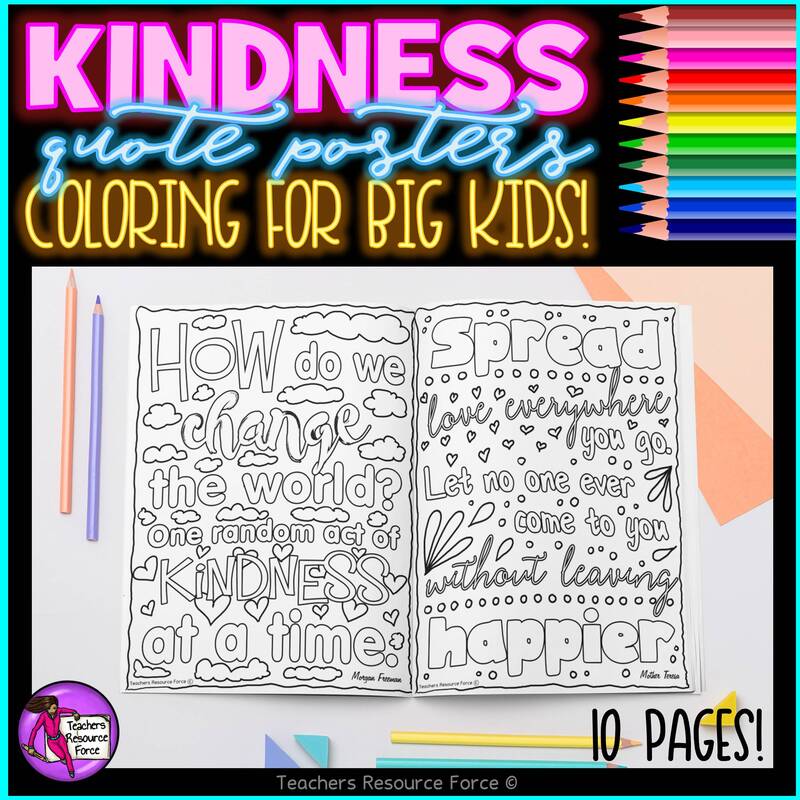
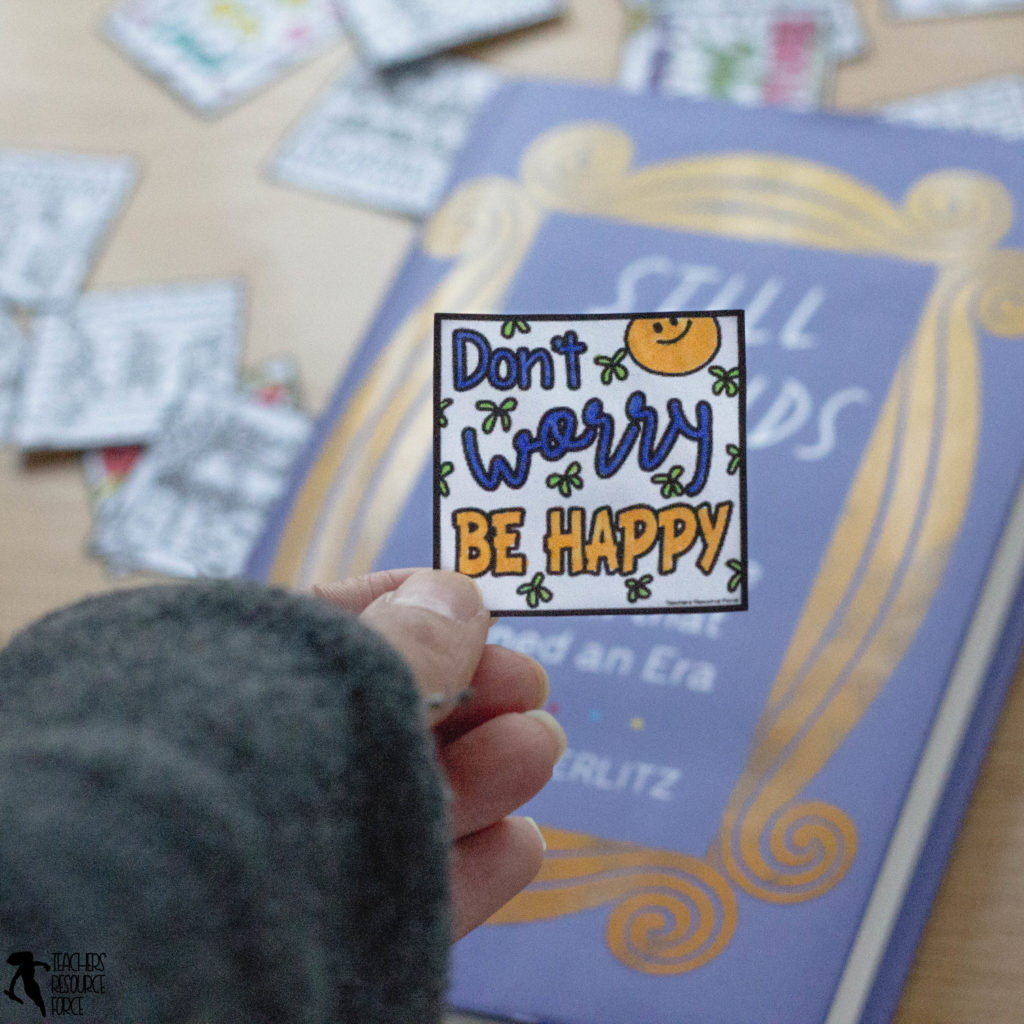
In conclusion, embracing the practice of colouring compliment notes for Random Acts of Kindness Day offers a simple yet impactful way to spread joy throughout the school community. You can download these notes on TPT and the TRF Shop!
DOWNLOAD FROM TPT
DOWNLOAD FROM TRF
By implementing the five practical tips outlined in this guide, you can create a culture of kindness that is not only easy to participate in but also adds a creative and uplifting dimension to the celebration. As we look forward to Random Acts of Kindness Day on February 17th, let's remember the transformative power of small gestures and the positive impact they can have on the collective spirit of the school community.

What's your favorite way to spread kindness in your school community, and how do you envision incorporating colouring compliment notes on Random Acts of Kindness Day? Share your thoughts and ideas below!
0 Comments

7 tips for dealing with cyberbullying in the classroom

12/9/2023

0 Comments

 
As you know, sadly cyberbullying is a serious concern that can have devastating consequences for our students' mental health, self-esteem, and academic performance; it's crucial that we equip them with the tools to navigate this challenge confidently and responsibly. Let's talk about how we can do that as teachers!
7 tips for dealing with cyberbullying in the classroom

TOP TIPS FOR DEALING WITH CYBERBULLYING

1. Foster a Positive Classroom Culture

Create an inclusive community where students treat each other with respect and kindness, both inside and outside the classroom. Encourage students to embrace diversity, practice empathy, and uphold respectful behavior towards one another, extending these values beyond the classroom into their daily interactions.
​

2. Raise Awareness of Cyberbullying

Engage your students in eye-opening discussions that shed light on the impact of cyberbullying, encouraging empathy and understanding. Devote lessons to teaching this topic, or at the very least take a few moments in the mornings to discuss it during morning meetings or assemblies. If you are looking for ready made resources to help with this, the lessons referenced at the end of this article can help!
​
​

3. Open Dialogue and Education About Cyberbullying

Foster open discussions about cyberbullying in your classroom. Educate your students about what cyberbullying entails, its consequences, and the different forms it can take. Providing information empowers them to identify and report cyberbullying incidents.
​

4. Promote Digital Responsibility

Emphasize the importance of responsible online behaviour. Teach your students about the impact of their words and actions in the digital realm. Encourage them to think before posting or sharing content and to treat others online with respect and empathy.
​

5. Establish Reporting Channels for Cyberbullying

Create a safe environment where students feel comfortable reporting instances of cyberbullying. Let them know that they can come to you or another trusted adult if they encounter any form of online harassment. Collaborate with your school's administration to have clear reporting procedures in place.
​

6. Empower Bystanders of Cyberbullying

Teach students the significance of being an active bystander. Encourage them to speak up against cyberbullying when they witness it, whether it's by supporting the victim, reporting the incident, or standing up for what's right. Bystander intervention can play a crucial role in curbing cyberbullying.
​

7. Equip Students with Coping Strategies for Cyberbullying

​Provide your students with practical techniques to handle various cyberbullying situations on different platforms, empowering them to respond confidently and seek help when needed.  Each platform has its own challenges and students need guidance with how to handle them. The resources listed below will guide students with using: Instagram, YouTube, TikTok, texting, emailing, sending selfie photos, videos, Facebook, Instant Messenger, chat rooms, online forums, Twitter etc.
​
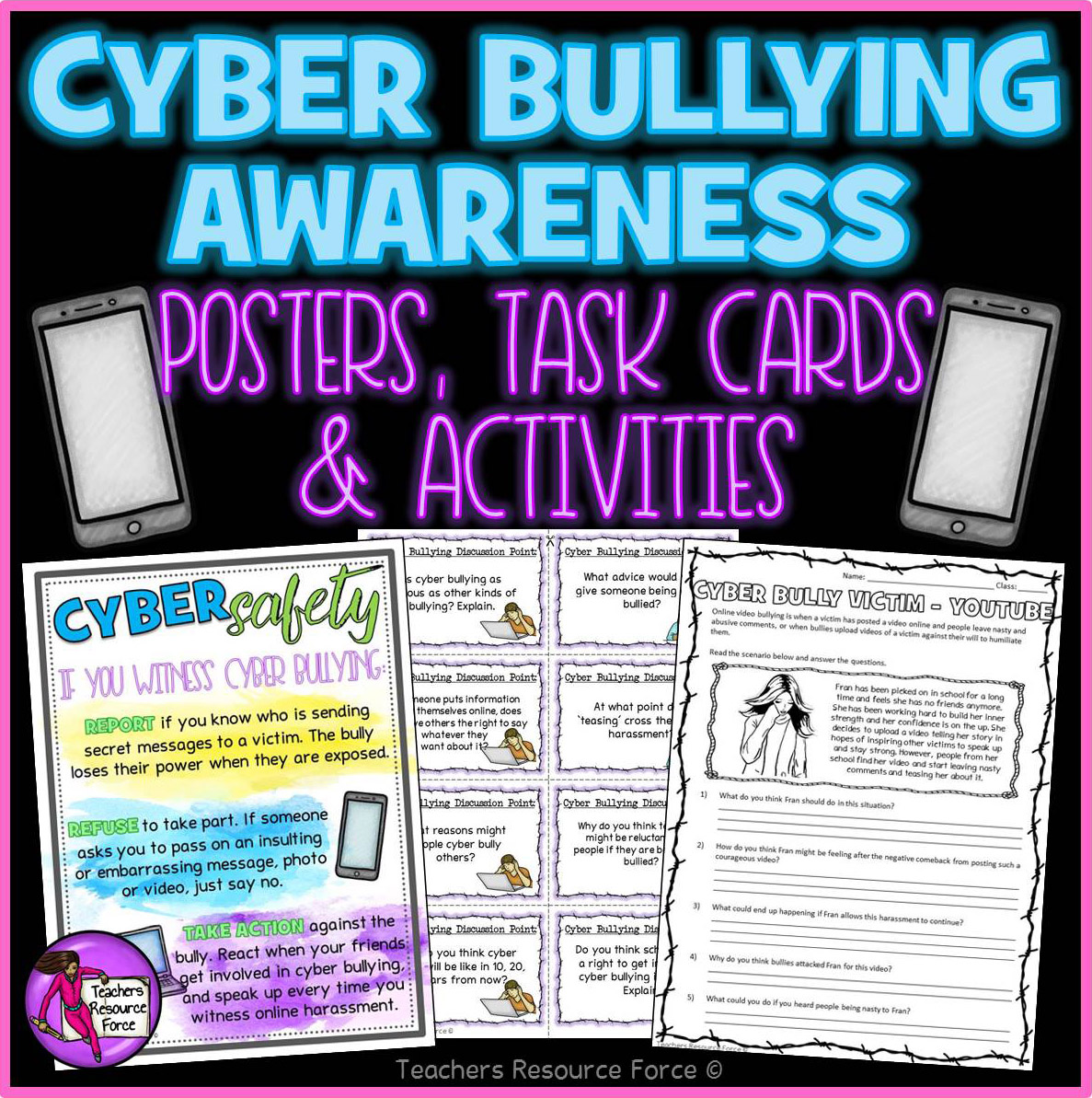
If you need help with implementing any of this in your classroom, you are welcome to use these two Cyberbulling resources, which include a thorough PowerPoint, Posters and engaging Printables that tackles cyberbullying head-on and encourages students to put themselves in the shoes of others who may be victims of cyberbullying:
Picture
Picture
DOWNLOAD NOW
DOWNLOAD NOW
Let's stand strong against cyberbullying and empower our students to build a safer, more compassionate digital landscape. I hope this helps, and thank you for all you do for our young people and your dedication to their well-being and academic success.

​
Ready to champion a bully-free online environment? Share your most effective strategies for guiding students through cyberbullying challenges in the comments below, and let's build a united front against online harassment!
0 Comments
<<Previous
Forward>>

    CATEGORIES

    All
    Calm
    Character
    Community

    FEATURED

    Picture

    BEST SELLERS

    Picture
    Picture
    Picture
    Picture
    Picture

    This section will not be visible in live published website. Below are your current settings:


    Current Number Of Columns are = 1

    Expand Posts Area =

    Gap/Space Between Posts = 15px

    Blog Post Style = card

    Use of custom card colors instead of default colors =

    Blog Post Card Background Color = current color

    Blog Post Card Shadow Color = current color

    Blog Post Card Border Color = current color

    Publish the website and visit your blog page to see the results

TEACHERS RESOURCE FORCE
© 2013-2026 | All Rights Reserved

​Privacy Policy   |   FAQs
  • Home
  • Resources
  • Free Downloads
  • Core Collections
    • Calm Collection
    • Community Collection
    • Character Collection
  • Blog
  • Meet Katie
  • More...
    • Quote Colouring Pages
    • FAQ
    • Clip Art TOU
    • Podcast Episodes