• Home
  • Resources
  • Free Downloads
  • Core Collections
    • Calm Collection
    • Community Collection
    • Character Collection
  • Blog
  • Meet Katie
  • More...
    • Quote Colouring Pages
    • FAQ
    • Clip Art TOU
    • Podcast Episodes
  Teachers Resource Force

Teachers Resource Force
​The Blog

3 tips for brain breaks in upper elementary and middle school

29/8/2023

0 Comments

 
Do you ever find your students lose steam halfway through your lessons and just don't engage as you'd like them to? Don't take it personally! Sometimes all they need is a quick brain break!
I remember the first time I incorporated a brain break in my teaching, before I had even heard of the term or concept. I had put days of prep into my lesson: hours had gone into creating the best PowerPoint, Printables and engaging activities that I was sure would keep my students motivated and inspired.  The lesson came and I was teaching my heart out, but the afternoon slump was apparently hitting hard and the students were just not giving. My middle school students were usually so vibrant and eager, but as I was looking around the room they looked fatigued and distant. No one was answering questions, eyes were glazing over and the vibe was just… flat…

So something just came over me and I stopped the whole lesson. I said “Right, everybody up!” That alone caught their attention as it was not expected! They got up slowly, looking around at each other wondering what I was going to do next. I then gave the next instruction: “Turn to the person next to you and hold out your hand to them.” They looked around again in confusion but complied… Then I called out “1, 2, 3, 4, I declare…” immediately, their little faces lit up when they saw where I was going with it “...a thumb war!”; they clasped each others hands, those thumbs went wagging and smiles spread on everyone’s face! Laughter filled the room, and after a few more rounds the class looked and felt energised. We then successfully carried on the lesson with the kind of energy and engagement I was hoping for. It wasn't my lesson that was the problem, all they needed was a little refocus, a little brain break!

Since then I kept this in my teaching arsenal, and developed more ways to use short, energizing brain breaks, as they work wonders in revitalizing student focus, boosting creativity, and fostering a positive learning environment. In this article, I want to share with you my top tips for using brain breaks in your classroom:
3 tips for brain breaks in upper elementary and middle school

1. Spark Creativity

Incorporate brain breaks that encourage creativity, such as quick drawing challenges, storytelling sessions, or brief writing prompts. These activities stimulate students' imaginations and promote innovative thinking, which is effective for giving the brain a rest and helping them get back on task.
​

2. Puzzle Break

​Provide brain teaser cards or puzzles for students to solve during breaks, challenging students to think outside the box and stimulate their cognitive abilities.
​

3. Mix It Up

Mix things up to cater to different interests and learning styles and keep things unpredictable. Incorporate activities like quick physical exercises, creative challenges, puzzles, and short mindfulness exercises. This variety helps maintain engagement and prevents monotony.
​

4. Short and Frequent

Aim for short brain breaks that last around 5-10 minutes. These frequent breaks are more effective than longer ones and help prevent students from losing focus. Consider integrating a brain break after every 20-30 minutes of teaching, or whenever you start to notice them fading!
​

5. Interactive Challenges

Introduce brain-break puzzles and trivia that encourage critical thinking and teamwork. Students can work together to solve problems, fostering a sense of collaboration and friendly competition helping to wake them up and refocus!
​

6. Energising Movement

Incorporate physical activities that get students moving and energized. Activities like quick stretches, simple yoga poses, or even a short dance session can help improve blood circulation, boost mood, and re-energize the mind.
​

7. Riddle Time

Engage students with a quick riddle challenge during brain breaks. Project a riddle on the board, and encourage students to work collaboratively or individually to solve it. This activity not only sharpens their problem-solving skills but also adds an element of fun to the classroom.
​

3 tips for brain breaks in upper elementary and middle school | riddles brain breaks
DOWNLOAD FROM TPT
DOWNLOAD FROM TRF
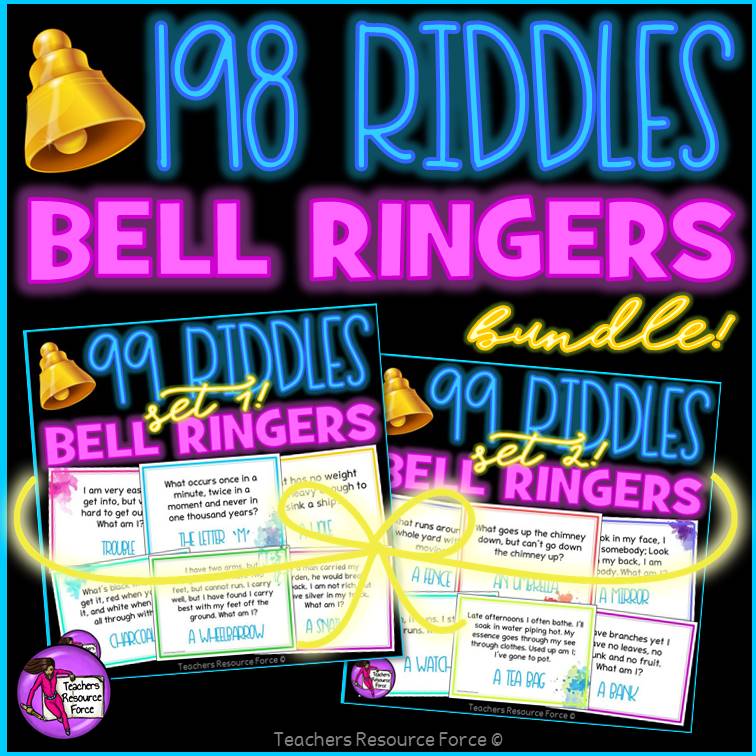
If you want a ready-made pack of student-approved riddles to use in your classroom, then you can download this bundle of 198 riddles right now. These also make great bell ringers for getting your lessons started in a positive way. Embrace the power of brain breaks and watch as your classroom transforms into a space of energized minds and joyful learning!

Have you discovered your secret recipe for the perfect brain break? Share your go-to strategies or innovative ideas in the comments below!
0 Comments

6 Powerful Strategies for Teaching Kindness in the Classroom

5/1/2023

0 Comments

 
Teaching kindness to students is an important part of creating a positive and inclusive classroom culture. By fostering kindness and empathy in your students, as a teacher you can help to promote a sense of community and belonging, and also equip students with the skills they need to navigate the challenges of life. In this article, we will explore six powerful strategies that teachers can use to help students learn about kindness and put it into practice in their own lives.
6 Powerful Strategies for Teaching Kindness in the Classroom | TeachersResourceForce.com

1. Model kindness: ​

It is important for teachers to lead by example and show kindness to our students, colleagues, and others in the community. This can involve simple acts of kindness such as saying hello, asking how someone is doing, and offering help when needed. By consistently demonstrating kindness in our words and actions, teachers can set a positive tone and create a welcoming classroom environment. It's also important for teachers to be mindful of the words we use and the tone in which we speak, as these can have a significant impact on students.

2. Using décor to create a positive and welcoming environment: ​

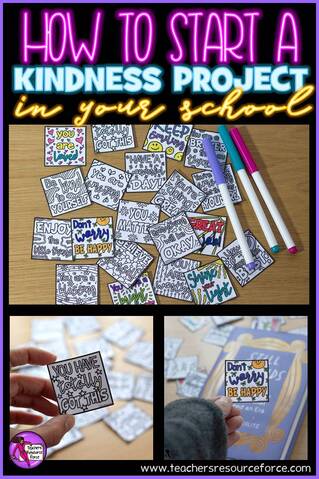
Consider displaying posters or other visual aids that feature slogans or messages that encourage kindness such as these Kindness Quote Colouring Posters, which go a step further than ready made posters as students are reflecting on the quotes while they colour in and are putting their stamp on the décor! You could also create a kindness wall or corner in your classroom where students can post notes or drawings that highlight kind actions or words that they have observed or experienced.
Picture
Picture
Picture
DOWNLOAD FROM TPT
DOWNLOAD FROM TRF
Using décor to promote kindness and inclusivity can not only create a positive and welcoming atmosphere in the classroom, but also provide a visual reminder to students about the importance of kindness and respect for others. By seeing these messages and symbols around the classroom, students can be reminded to be kind and respectful to their classmates and others in the community.

3. Make kindness a part of the classroom culture: ​

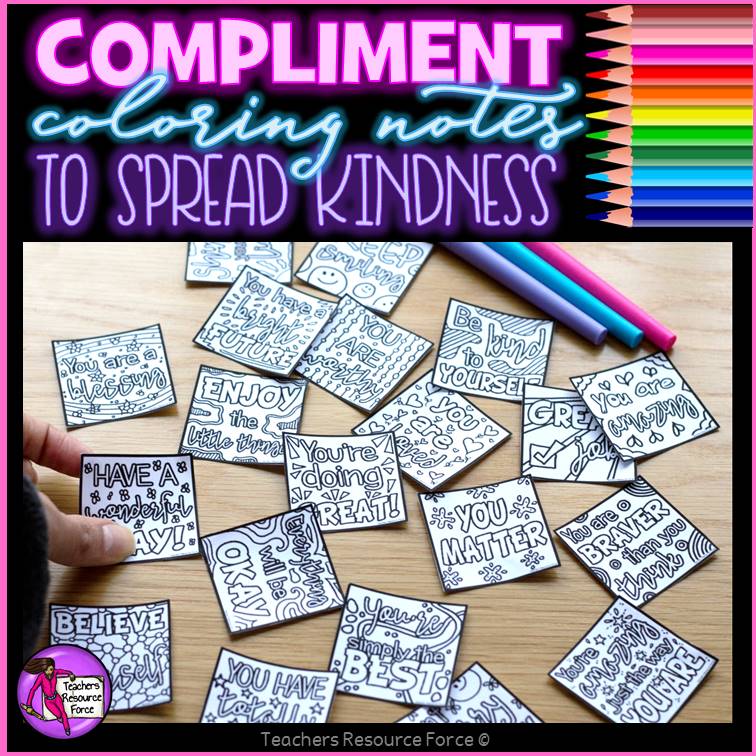
Encourage your students to be kind to one another by setting expectations for kind and respectful behaviour. Consider using positive reinforcement to recognise and reward kind actions. This can involve using reward coupons such as these to praise students for small acts of kindness, such as holding the door open for a classmate, sharing their equipment or standing up for a classmate who is being bullied. It's also important to address unkind behavior and teach students how to resolve conflicts in a kind and respectful manner. These Kindness Colouring Compliment Notes would work exceptionally well for this:
Picture
Picture
Picture
DOWNLOAD FROM TPT
DOWNLOAD FROM TRF

4. Incorporate kindness into lesson plans: ​

There are many ways to integrate lessons on kindness into various subjects. For example, you could discuss the importance of kindness and empathy in literature, or explore historical figures who have demonstrated kindness in social studies lessons. Science and math can also provide opportunities to teach about kindness. For example, you could have students investigate the ways in which people can be kind to the environment or do math problems involving the distribution of resources to those in need.

5. Encourage volunteering and service learning:

Participating in community service projects can be a powerful way for students to learn about kindness and the positive impact it can have on others. Service learning projects can involve working with organisations that serve the homeless, the elderly, or other underserved populations. These projects can help students develop a sense of empathy and understanding of others, and also give them the opportunity to make a difference in their community.

6. Use media and technology to promote kindness: ​

There are many resources available, such as these which can help students learn about kindness and empathy and the role it plays in creating a positive and inclusive community. Teachers can use these resources to spark discussions and activities that focus on kindness. In addition, you could show a video about a person who has demonstrated kindness and then have students brainstorm ways they can be kind in their own lives. Websites and social media can also be used to share stories and examples of kindness and encourage students to share their own experiences with kindness.

To conclude:

Teaching kindness to students is an ongoing process that requires consistent effort and reinforcement. By using the strategies outlined in this article, teachers can help to create a classroom culture that is founded on kindness, respect, and empathy. In doing so, you can not only help your students to become more compassionate and understanding individuals, but also contribute to creating a more positive and inclusive community.

​By promoting kindness in the classroom, teachers can help to shape the next generation of leaders who are not only academically successful, but also kind, caring, and empathetic.
6 Powerful Strategies for Teaching Kindness in the Classroom | TeachersResourceForce.comPicture
0 Comments

The Responses I Get From My Students During Morning Meeting Blow Me Away

14/9/2022

0 Comments

 
Can you remember the last time your students blew you away with their responses? Here's one lovely teacher's experience with the Daily Morning Meetings resource:

"I use these in my morning meeting with my 5th grades. They love these and the responses I get from them blows me away. Definitely on the higher level and I love it!"
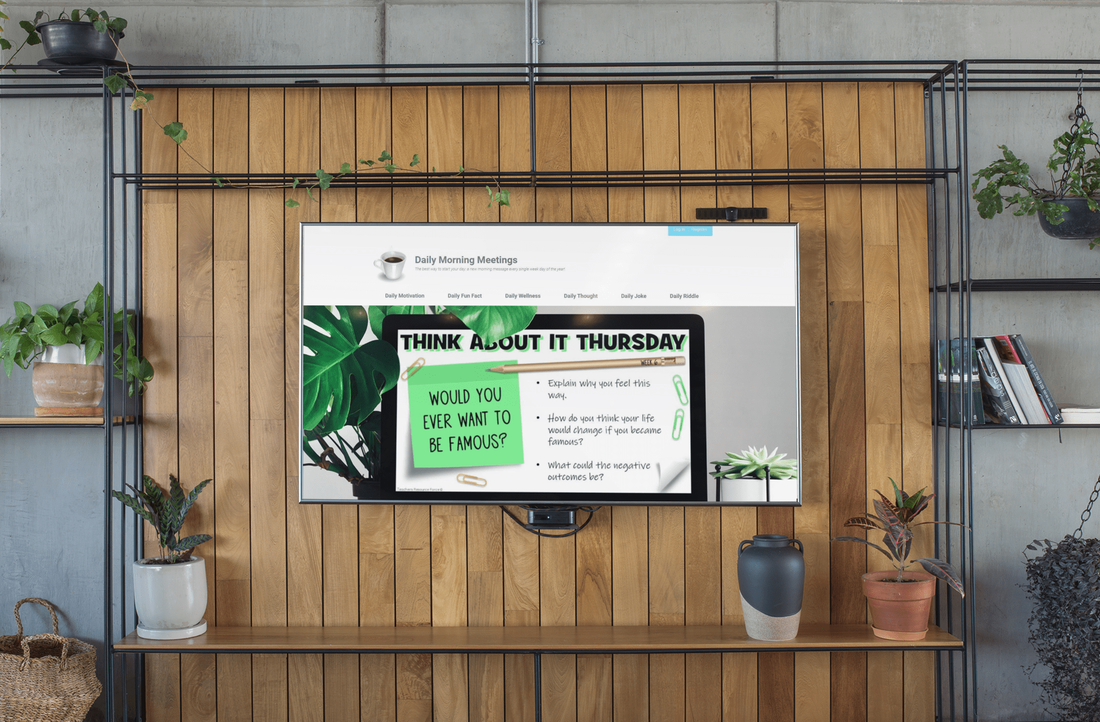
The Responses I Get From My Students During Morning Meeting Blow Me Away | DailyMorningMeetings.com
I love it when my students blow me away too, it makes me really feel like I'm making a difference in their lives by prompting them with the right questions to unlock all that potential.

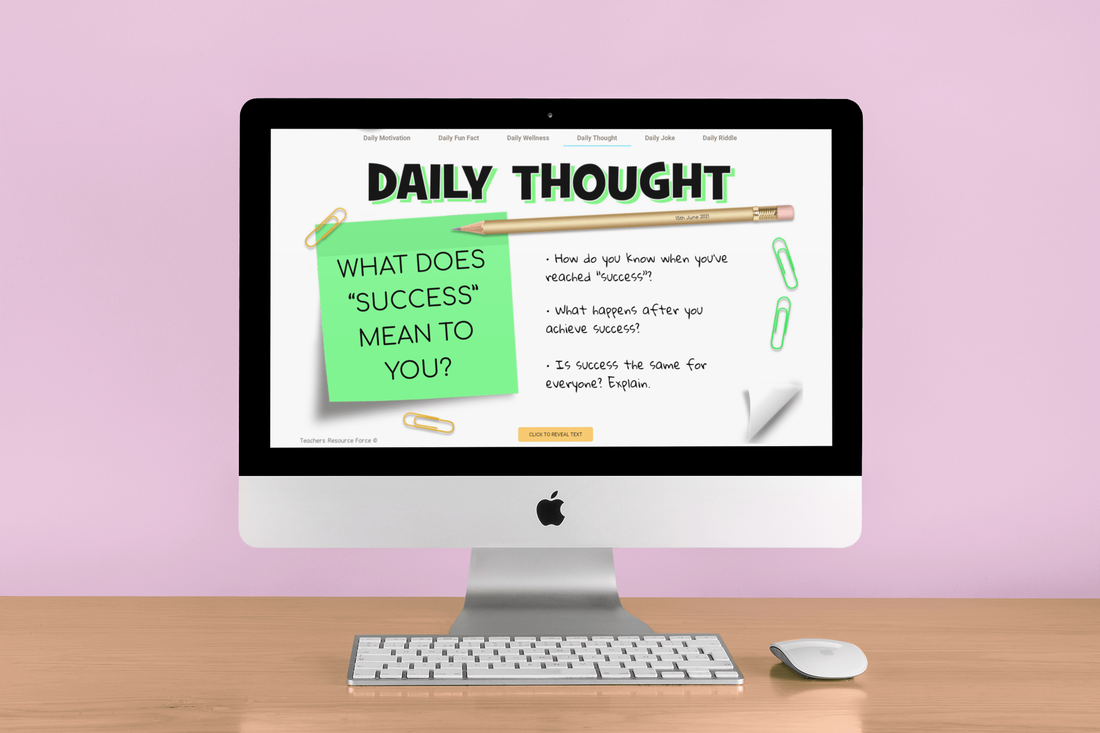
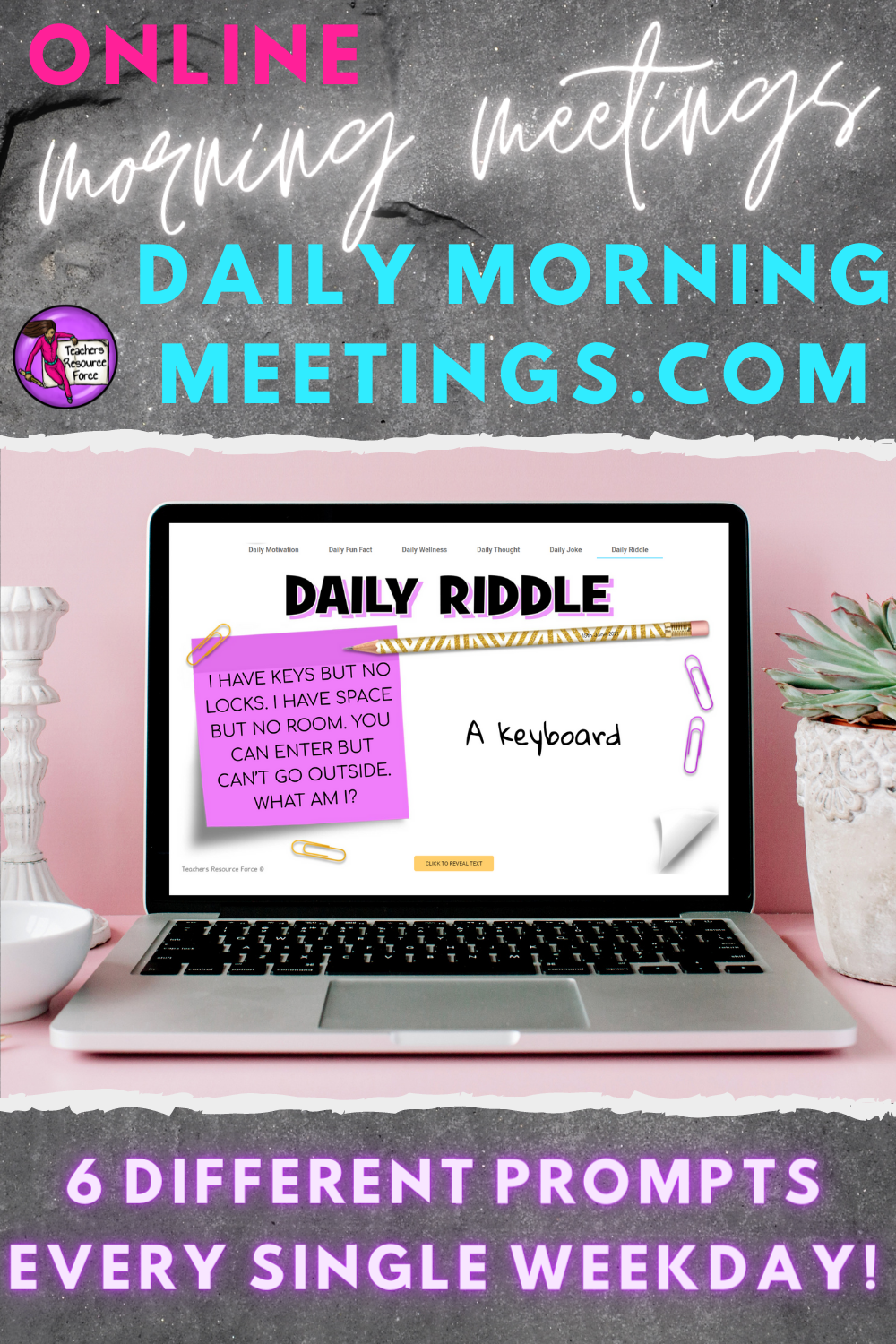
You'll find the "Daily Thoughts" prompts will do just that for your students too , as they are philosophical questions that promote deep thinking and analysis. And remember, there's a new prompt every single weekday of the entire year:
The Responses I Get From My Students During Morning Meeting Blow Me Away | DailyMorningMeetings.com

3 More Reasons to Use Daily Morning Meetings:

If you needed more reasons to join the DailyMorningMeetings.com membership, here are another 3:

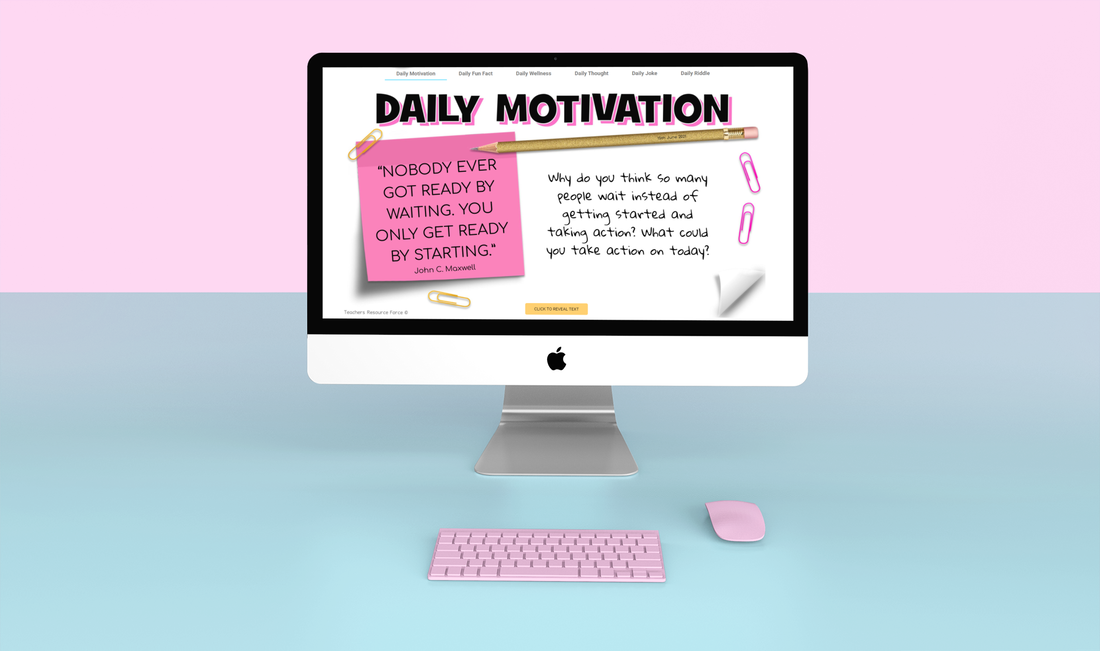
1) Get ready for your students to blow you away. That may be via their awesome responses to the prompts, or their excitement in starting each day with you and the safe, predictable but varied routine you will have in place.

2) There's a very cost-effective monthly payment plan which works out to be just 19c a day! Bargain or what?!

3) The membership is currently at the lowest price it will ever be! It's grossly undervalued it at the moment at only a few dollars a month, but the price will increase as more content is added; if you sign up now, you will be grandfathered in at the same price for as long as you remain subscribed!

If you have any questions, don't hesitate to ask.
0 Comments
<<Previous
Forward>>

    CATEGORIES

    All
    Calm
    Character
    Community

    FEATURED

    Picture

    BEST SELLERS

    Picture
    Picture
    Picture
    Picture
    Picture

    This section will not be visible in live published website. Below are your current settings:


    Current Number Of Columns are = 1

    Expand Posts Area =

    Gap/Space Between Posts = 15px

    Blog Post Style = card

    Use of custom card colors instead of default colors =

    Blog Post Card Background Color = current color

    Blog Post Card Shadow Color = current color

    Blog Post Card Border Color = current color

    Publish the website and visit your blog page to see the results

TEACHERS RESOURCE FORCE
© 2013-2026 | All Rights Reserved

​Privacy Policy   |   FAQs
  • Home
  • Resources
  • Free Downloads
  • Core Collections
    • Calm Collection
    • Community Collection
    • Character Collection
  • Blog
  • Meet Katie
  • More...
    • Quote Colouring Pages
    • FAQ
    • Clip Art TOU
    • Podcast Episodes